There is no one-size-fits-all diet for people with PH, but some general dietary recommendations can help manage the condition and improve symptoms. Moderation is key in most cases, as certain foods can put a strain on the heart and lungs.
Foods to moderate when you have PH:
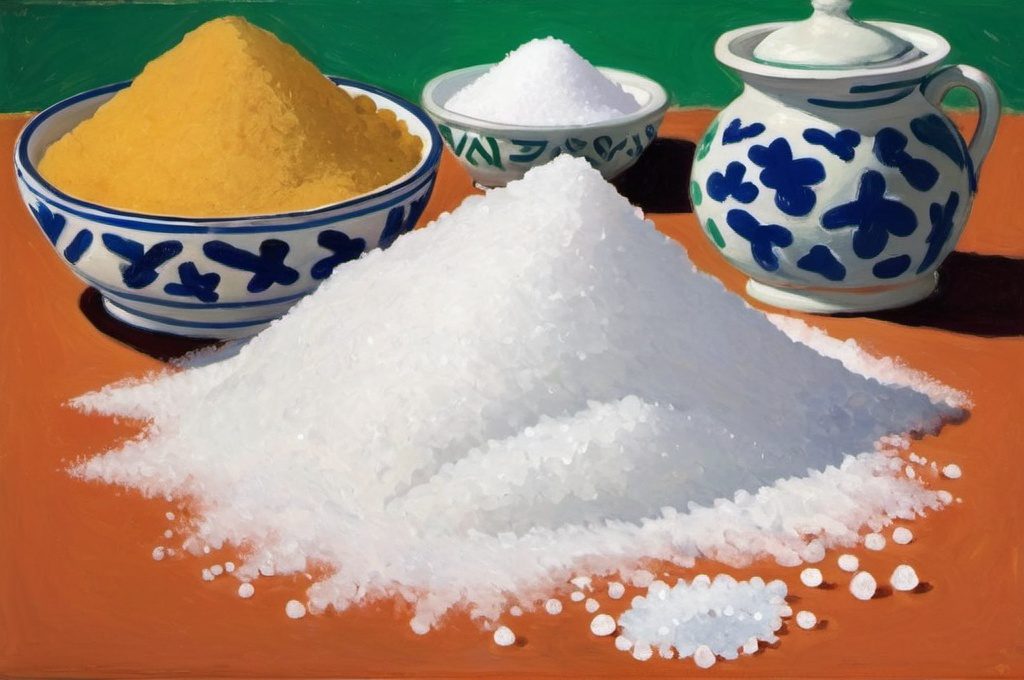
Salt (Sodium): High sodium intake can contribute to fluid retention, worsening symptoms like breathlessness and fatigue. Aim for no more than 2,000 mg per day, ideally less if recommended by your doctor. Limit processed foods, canned goods, pickled foods, cured meats, and restaurant meals (often high in sodium).
Caffeine: Caffeine is a stimulant and can elevate blood pressure, anxiety, and heart rate. These effects, while generally temporary, might be concerning for some PH patients, especially those sensitive to stimulants or taking certain medications. Limit excessive caffeine intake as it can worsen anxiety and potentially affect sleep in some individuals with PH. For individuals with advanced or unstable PH, even small amounts of caffeine might trigger unwanted effects.
Alcohol: Heavy alcohol consumption can dehydrate and interfere with medication effectiveness. While moderate alcohol intake might be okay for some, consult your doctor for personalized advice based on your specific case and medication regimen.
Added sugars: Excessive sugar intake can contribute to weight gain and inflammation, potentially impacting overall health. Moderate sugary drinks, desserts, and processed snacks. Opt for naturally sweet fruits and limit added sugars wherever possible.
Other considerations:
Large meals: Overeating or eating one large meal can strain your cardiovascular system and cause respiratory distress. Nutritionally-dense smaller meals might be more manageable.
Read food labels carefully: Pay attention to sodium and added sugar content to make informed choices.
Individual needs vary: Your specific dietary needs might differ depending on other health conditions, medications, and preferences.
By following a healthy diet, you can help to improve your symptoms of PH and overall health. Your doctor or a registered dietitian can help you create a personalized plan that meets your individual needs.
Disclaimer: This information is for educational purposes only and should NOT be considered medical advice. Always consult your doctor before changing your diet or medication regimen.