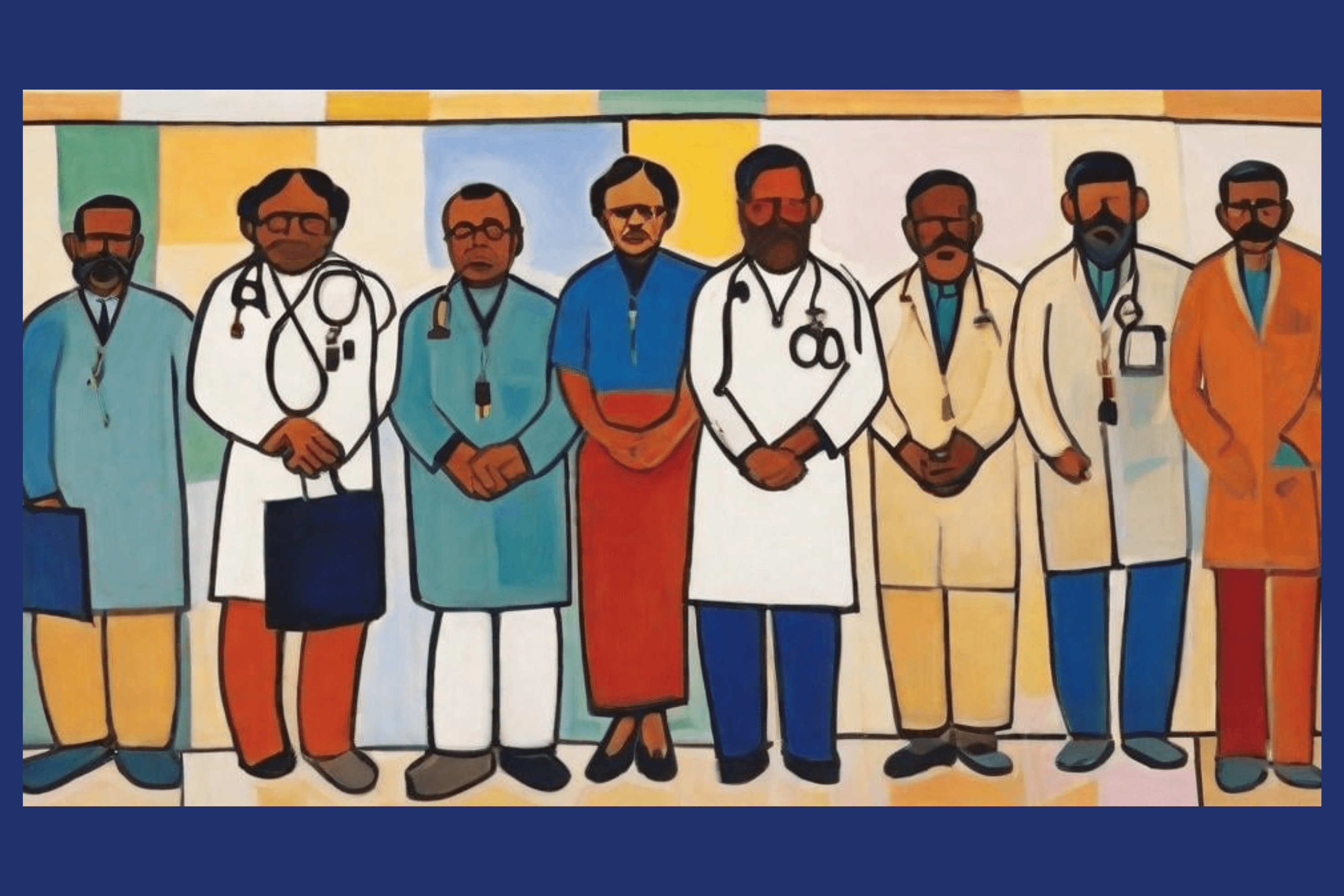
Collaboration and teamwork are crucial for the success of heart-lung transplants programs in India. A good and effective transplant team consists of a diverse group of specialists who work together to provide comprehensive care for their patients. Such teams are generally composed of the following specialists:
- Cardiothoracic surgeon: Leads the surgical team, performs the transplant surgery, and has expertise in both heart and lung surgery.
- Transplant Pulmonologists: These experts in lung and respiratory diseases carefully evaluate patients’ eligibility for a lung transplant and closely monitor their condition after surgery.
- Cardiologists: Assess the patient’s heart function, co-manage heart-related aspects, and prepare them for surgery.
- Transplant Anaesthesiologist: A vital team member involved in preoperative assessment, anaesthesia induction and maintenance, and pain management of all transplant patients. They ensure patients have safe and successful surgery.
- Infectious disease team: These dedicated healthcare providers specialize in treating infections and play a vital role in patient care and post-transplant longevity.
- Transplant fellows and residents: These physicians undergoing specialized training in transplant surgery bring fresh vigour, perspectives, and knowledge to veteran teams.
- Pharmacologists: These healthcare providers who specialize in the use of drugs ensure that patients receive the correct dosages and proper medications for their diseases.
- Transplant coordinators: These compassionate healthcare providers coordinate the care of patients before and after transplant surgery, ensuring a smooth and seamless experience for patients & their families.
- Transplant nurses: These specially trained professionals provide exceptional care and support to patients throughout their transplant journey.
- Nursing assistants: These healthcare providers assist registered nurses in providing the best care possible to their patients.
- Pharmacists: Dedicated pharmacists diligently manage patients’ medications to ensure their safety and well-being.
- Social workers: These caring professionals offer counseling and support to patients and their families, ensuring they have access to necessary resources during this challenging time.
- Other specialists: Cardiologists, nephrologists, and psychiatrists are also included to ensure comprehensive patient care.
Each patient is unique, and a hospital’s team composition may vary to provide personalized care. Regardless of the specific composition, all team members collaboratively work together to deliver the highest quality care possible.
A transplant team may include other specialists who excel in their respective fields, such as:
– Pulmonary rehabilitation therapists: These dedicated therapists assist patients in improving their breathing and exercise capacity after surgery, helping them regain their strength.
– Dietitians: Knowledgeable dietitians help patients develop a healthy and transplant-safe diet that supports their healing and recovery.
– Occupational therapists: These supportive therapists teach patients how to perform daily activities after their surgery, helping them regain their independence.
A large, collaborative, and cooperative transplant team is wholeheartedly dedicated to providing patients with exceptional care and support throughout the entire transplant process and beyond.